The objective
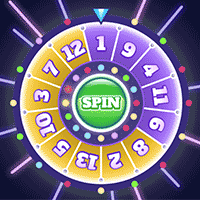
Your goal is to finish with the highest banked score. Every round begins with a number from a wheel containing 1 through 13. After seeing the current number, you predict whether the next available number will be higher or lower. Correct predictions build an unbanked round pot. Banking moves that pot into your permanent score.
Start with the first spin
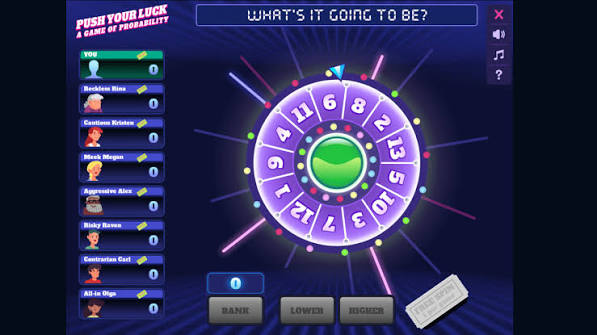
The opening spin creates the current number and removes it from the wheel for that round. Because used numbers do not return until the next round, the available outcomes change after every spin. The chance labels below HIGHER and LOWER update to reflect the numbers still remaining.
Choose higher or lower
Select HIGHER when you believe the next number will be greater than the current value, or LOWER when you believe it will be smaller. A correct call adds the new result to your round pot and makes that result the next current number. A wrong call causes a bust: the unbanked pot is lost, and you wait until the next round.
Know when to bank
BANK is the safety button. It transfers the entire round pot to your permanent score and ends your participation in that round. Banking early protects a modest gain; continuing can build a much larger pot but exposes every unbanked point to the next prediction.
Use the free spin carefully
You receive one free spin per game. It protects you for a single spin and adds the result to your pot. It is especially useful when the current number leaves an uncomfortable decision, when your pot is already valuable, or when a late-game chase requires one more result.
Triggering the final round
When any player banks 100 or more points, the game schedules one final round for everyone. Scores are not reset. The player with the highest banked total after that round wins, so the correct risk level depends on whether you are leading, close behind, or far from first place.
A simple first-game plan
For your first few games, follow the displayed probability, bank after two or three successful calls, and save the free spin until your pot matters. This approach teaches the changing wheel without forcing extreme risks. Once you recognize which numbers create strong and weak positions, you can become more aggressive.